Basements and lower levels
Finished basements can hide moisture behind baseboards and wall cavities. We open only what is needed, contain the work area, and dry the space so mold does not rebound.
Serving Fairfax, Virginia & surrounding areas
24/7 Emergency Response
One call instead of ten No web forms, no callback spam 24/7 Emergency Response
Mold Remediation · Fairfax, VA
Get a clear inspection, contained removal, and post-remediation verification so you can move back into a clean, safe space with confidence.
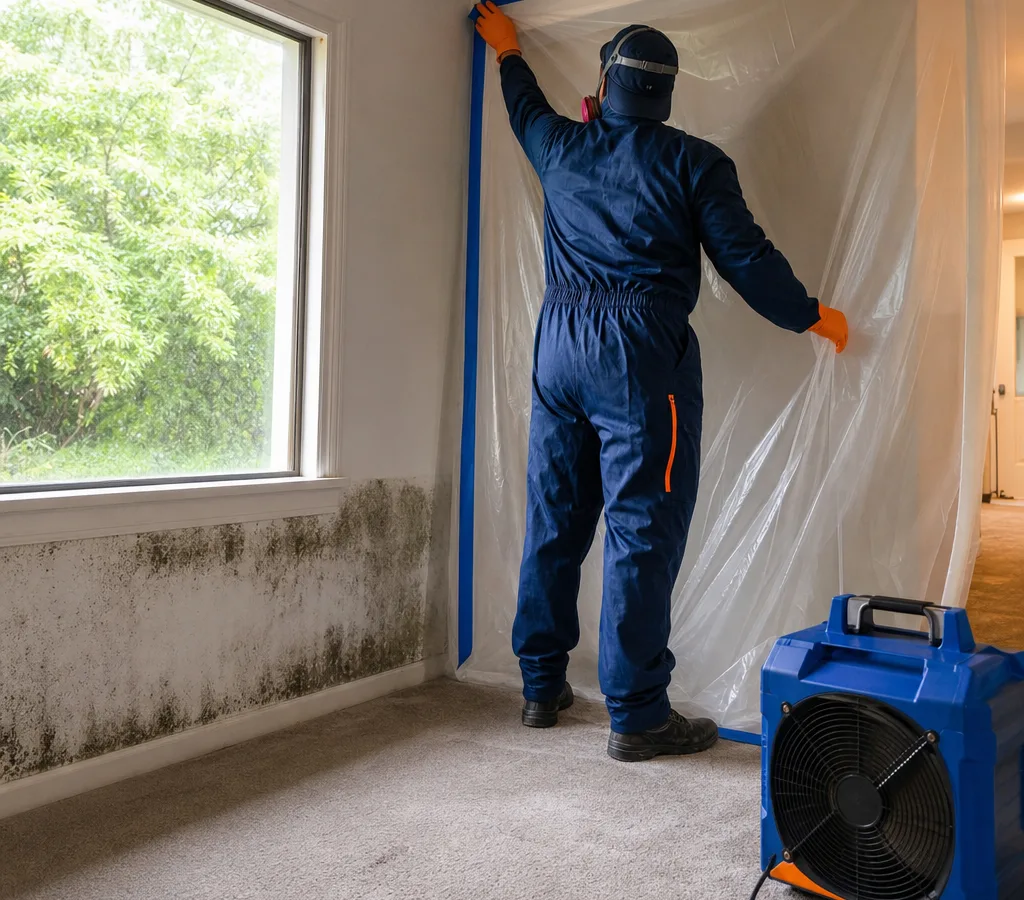
Control The Source And The Work Area
If you are searching for mold remediation Fairfax VA, you are usually dealing with a problem that spreads quietly: a roof leak that soaked insulation, a plumbing drip behind a vanity, condensation around HVAC supply lines, or a damp basement wall after heavy rain. Mold remediation is the process of finding the moisture source, containing contaminated areas, removing or cleaning affected materials the right way, and verifying the area is back to normal conditions.
At Water Damage Fairfax VA, our remediation work is built around control and documentation. We start with a practical plan: where the mold is, why it is there, which materials can be cleaned versus removed, and how we keep spores from drifting through the rest of the property. In Fairfax, that matters because many homes mix finished and unfinished spaces—basements, utility rooms, and attached garages—so one poorly contained job can spread contamination to storage areas, carpets, and return-air pathways.
You do not need a sales pitch. You need a team that can explain what is happening, what will be removed, what will be cleaned, and what the space will look like when it is ready for repairs or re-occupancy.
Contained Removal And Cleanup
Mold cleanup is not just wiping a surface. The right approach depends on what material is affected and how far contamination has traveled.
A thorough mold remediation Fairfax plan typically includes:
If the mold is tied to a recent water loss, it helps to start at the source. Many clients begin with an assessment through Water Damage Fairfax VA and then move into remediation once affected areas are identified.
Affected Areas And Moisture Sources
Finished basements can hide moisture behind baseboards and wall cavities. We open only what is needed, contain the work area, and dry the space so mold does not rebound.
Recurring humidity, slow leaks under sinks, and wet drywall behind tile backer are frequent causes. We address contaminated materials and the conditions that caused them.
Mold can form on roof sheathing after leaks or long-term ventilation issues. We remove growth safely and confirm the attic returns to dry, stable conditions.
Condensate line issues, sweating ducts, and high indoor humidity can seed mold near vents and returns. We remediate affected areas and flag airflow or humidity problems to correct.
Tenant build-outs, drop ceilings, and shared walls make containment and documentation essential. We plan work to reduce disruption and keep adjacent areas protected.
From Inspection To Verification
We identify suspect areas, look for the moisture source, and explain which materials are likely impacted. You receive a written scope so you know what will be removed, what will be cleaned, and what needs repair afterward.
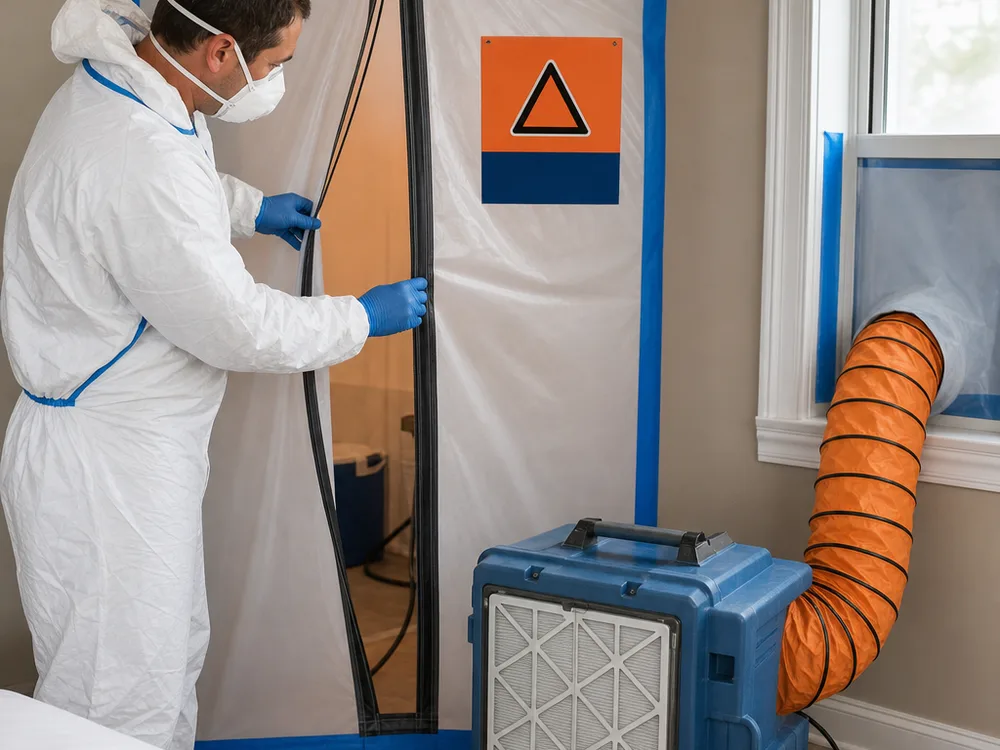
We isolate the work zone with poly barriers and establish controlled access. When conditions call for it, we use negative air and HEPA filtration to keep particles from migrating.
We remove contaminated porous materials, HEPA vacuum and clean remaining structural surfaces, and handle debris containment and disposal as part of the job.
We dry the affected area using dehumidification and airflow management and monitor conditions. Moisture control is what prevents the same spot from re-growing.
We complete a final visual check and can coordinate third-party clearance testing when requested. If repairs are needed, we outline what should be rebuilt and what materials are appropriate for the area.
Typical Project Range
Most mold remediation projects in Fairfax typically fall around $1,500 to $6,500, with small, contained areas sometimes closer to $800 to $2,000 and large multi-room or HVAC-involved jobs reaching $8,000+.
Your final price depends on the size of the affected area, how much porous material must be removed—drywall, insulation, or carpet pad—access in tight crawlspaces and attics, the level of containment needed, and how much drying and monitoring is required. The exact cost is confirmed after an on-site inspection and a written scope of work.
If you have visible growth, musty odor, or recent water intrusion, get an inspection and a written remediation plan before you start tearing out materials or running household fans.
Call for Emergency HelpAnswers Before Work Begins
Contain And Correct The Problem
Tell us what you are seeing and where it is showing up. We will inspect the area, explain the likely source, and provide a written scope for safe removal, cleanup, and verification.